
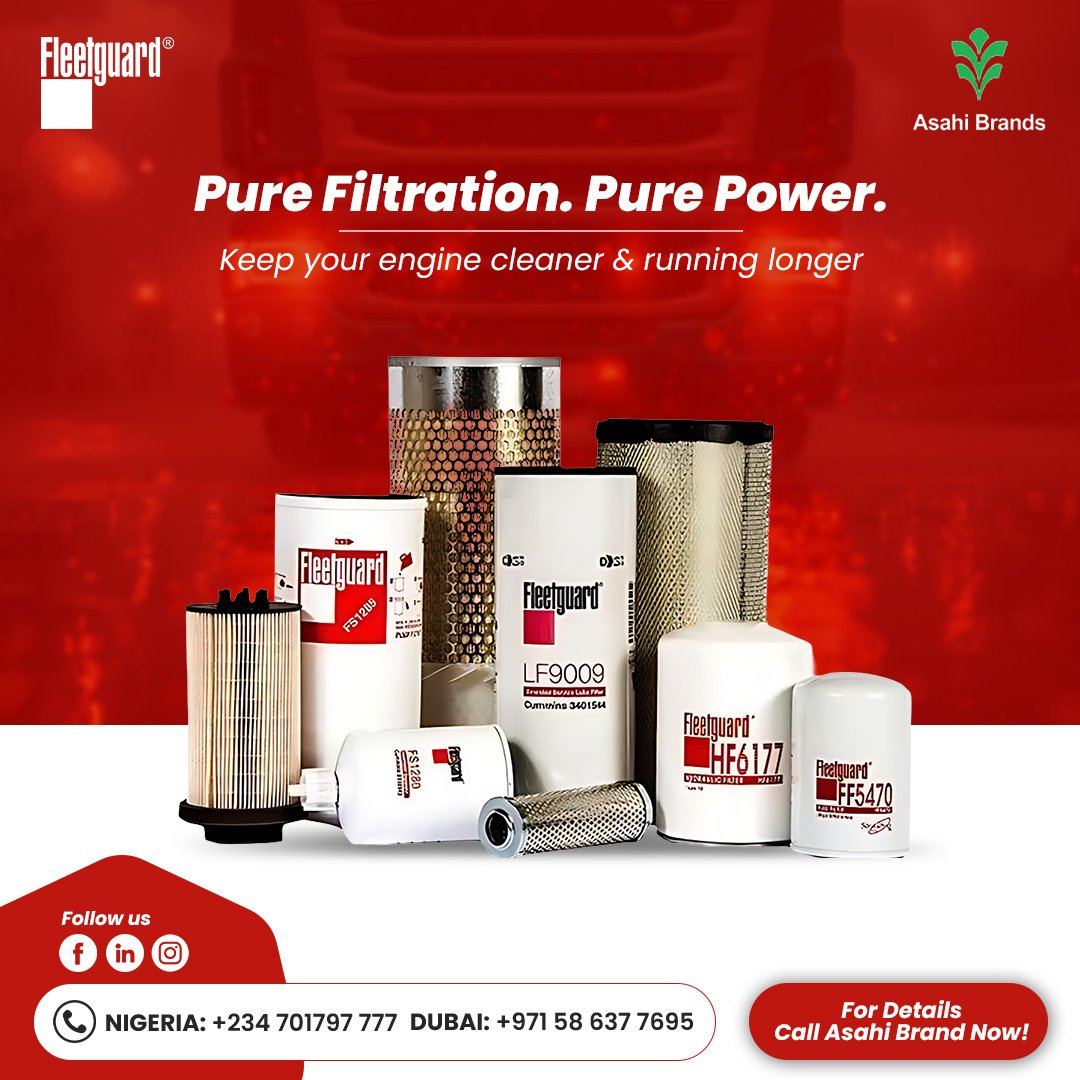
Fleetguard Filters in Lagos: Protecting Heavy-Duty Engines, Generators, and Industrial Machinery from Contamination and Downtime
For businesses operating heavy-duty trucks, generators, construction machinery, mining equipment, or agricultural vehicles across Lagos and the wider Nigerian market, few maintenance items carry as much operational weight as filtration. Oil, fuel, air, and hydraulic filters are often the least discussed components in an engine or machine, yet they perform one of the most consequential jobs: keeping contamination away from precision-engineered internal parts that are extraordinarily expensive to repair or replace.
This guide examines each major filtration category, explains why contamination control matters so much for heavy-duty and industrial equipment operating in Nigerian conditions, and outlines what to look for when sourcing genuine Fleetguard filters in Lagos. Asahi Brands Limited, a trusted importer, distributor, wholesaler, retailer, and supplier of genuine automotive and industrial products in Nigeria, is referenced throughout as an example of the kind of supplier relationship that protects equipment uptime. Their catalogue can be explored at https://www.asahibrands.com.
Why Filtration Deserves More Attention Than It Usually Gets
It is easy to underestimate filtration because filters are inexpensive relative to the systems they protect. A fuel filter might cost a small fraction of what a fuel injection pump costs to replace, yet that filter’s job is precisely to prevent the kind of contamination that damages that expensive pump in the first place. This asymmetry, low component cost relative to the value it protects, is exactly why filtration quality deserves far more attention than it typically receives.
For heavy-duty engines, generators, and industrial machinery operating continuously or under heavy load, this asymmetry becomes even more pronounced. These systems often operate for extended hours with less opportunity for the kind of gentle, varied use that allows smaller passenger vehicles some tolerance for minor inefficiencies.
Oil Filters: Protecting the Heart of the Engine
Engine oil circulates continuously through an engine’s internal components, lubricating bearings, cylinder walls, and moving parts while carrying away heat and contaminants. The oil filter’s job is to trap particles before they can circulate through these sensitive surfaces.
Consequences of Poor Oil Filtration
- Accelerated bearing wear occurs as abrasive particles circulate through lubricated surfaces.
- Reduced oil flow if a poor-quality filter becomes prematurely clogged.
- Risk of filter bypass valve failure, allowing unfiltered oil to circulate under certain conditions if the valve is poorly manufactured.
- Long-term engine wear that often only becomes apparent through reduced compression or increased oil consumption, well after the damage has begun.
For heavy-duty engines running long hours, whether in trucks, generators, or industrial machinery, oil filtration quality has a compounding effect: every hour of operation with inadequate filtration adds incremental wear that accumulates far faster than in lightly used passenger vehicles.
Fuel Filters: Safeguarding Precision Injection Systems
Modern fuel injection systems, particularly in diesel engines common across heavy-duty trucks and industrial equipment, operate at extremely high pressures with very tight internal tolerances. Even small amounts of contamination in fuel can cause significant damage to injectors and pumps.
Why Fuel Filtration Matters Especially in Nigeria
Fuel quality can vary between suppliers and regions across Nigeria, making robust fuel filtration an important safeguard rather than an optional extra. A high-quality fuel filter protects against:
- Particulate contamination can score precision injector components.
- Water contamination, which many Fleetguard fuel filters are specifically designed to separate from fuel before it reaches the injection system.
- Microbial growth in fuel storage tanks can produce contaminants that clog filtration systems and, if unfiltered, damage downstream components.
Given how expensive modern diesel injection system repairs can be, particularly for heavy-duty and industrial engines, genuine fuel filtration is one of the most cost-effective protective measures available to equipment operators.
Air Filters: Defending Against Nigeria’s Dust and Particulate Challenges
Air filtration is particularly critical in Nigerian operating environments, where construction sites, mining operations, agricultural land, and many rural or semi-urban roads generate substantial airborne dust and particulate matter.
Consequences of Inadequate Air Filtration
- Abrasive dust reaching cylinder walls and piston rings accelerates wear significantly.
- Reduced engine efficiency as airflow becomes restricted by a poorly designed or prematurely clogged filter.
- Increased fuel consumption as the engine compensates for restricted or contaminated airflow.
- Long-term compression loss, ultimately requiring costly engine rebuilds.
For construction, mining, and agricultural equipment operating directly in dusty environments, air filtration quality is arguably even more consequential than for standard road vehicles, given the sheer volume of particulate matter these machines are regularly exposed to.
Hydraulic Filters: Protecting Precision Systems in Heavy Machinery
Hydraulic systems, common in construction equipment, agricultural machinery, and certain industrial applications, rely on hydraulic fluid maintained at a high level of cleanliness to function correctly. Contamination in hydraulic fluid can cause:
- Increased wear on pumps, valves, and cylinders, all of which are expensive components to repair or replace.
- Reduced system responsiveness and precision, which can affect both operational efficiency and safety.
- Accelerated fluid degradation requires more frequent and costly fluid changes.
Genuine Fleetguard hydraulic filters are engineered to specific filtration efficiency standards appropriate to the demanding conditions these systems typically operate under.
Engine Protection: The Cumulative Effect of Good Filtration
Considered together, oil, fuel, air, and hydraulic filtration form a coordinated defence system protecting an engine or machine’s most expensive internal components. Weakness in any single area can undermine the benefit of strong filtration elsewhere; contaminated fuel can damage injectors regardless of how clean the engine oil is, just as poor air filtration can accelerate cylinder wear regardless of fuel quality.
It is why a comprehensive approach to filtration, using genuine, correctly specified filters across all systems, delivers meaningfully better protection than focusing on just one category while neglecting others.
Filtration for Heavy-Duty Engines and Commercial Trucks
Commercial trucks operating across Nigeria’s road network cover substantial daily distances, often carrying heavy loads and operating for extended hours. This places sustained demand on filtration systems, making genuine, correctly rated filters particularly important for:
- Maintaining consistent fuel efficiency across long routes.
- Protecting injection systems from the variable fuel quality encountered across different regions and suppliers.
- Reducing the risk of roadside breakdowns caused by filtration failures, which can be especially costly and disruptive for long-haul operations.
Filtration for Generator Maintenance
Generators, widely relied upon across Nigeria due to variable grid power supply, often operate for extended continuous hours, placing similar cumulative filtration demands as heavy-duty vehicle engines. Poor filtration in a generator can lead to reduced operating efficiency, increased fuel consumption, and premature engine wear, translating directly into higher operating costs for businesses and households that depend on generator power for extended periods.
Filtration for Mining Equipment and Construction Machinery
Mining and construction environments present some of the most demanding filtration conditions of any industry, given the extreme dust and particulate levels typically present on-site. Equipment operating in these environments requires filtration systems capable of handling sustained particulate exposure without compromising airflow or fluid cleanliness. Genuine Fleetguard filters, engineered specifically for heavy-duty and industrial applications, are designed with these demanding conditions in mind.
Filtration for Agricultural Machinery
Agricultural equipment faces similar particulate challenges to construction and mining machinery, compounded by seasonal intensive use during planting and harvest periods. Reliable filtration during these peak operational windows is particularly important, since equipment downtime during critical agricultural periods can have consequences extending well beyond the immediate repair cost.
Fleet Maintenance: Managing Filtration Across Multiple Vehicles and Machines
For fleet operators managing multiple trucks, generators, or pieces of machinery, filtration maintenance is not a single decision but an ongoing operational discipline. Establishing consistent filtration standards across an entire fleet offers several advantages:
- Predictable maintenance scheduling, since genuine filters perform consistently to their rated service intervals.
- Reduced variability in downtime risk across the fleet, rather than some vehicles experiencing filtration-related failures while others do not.
- Simplified procurement, working with a single reliable supplier rather than sourcing inconsistently across multiple sellers.
- Better long-term budgeting, since genuine filtration reduces the frequency of unplanned, expensive repairs.
Contamination Control as a Preventive Maintenance Strategy
The most cost-effective approach to protecting heavy-duty engines and machinery is proactive, scheduled filtration maintenance rather than reactive repair after a failure occurs. Genuine filters, replaced according to manufacturer-recommended intervals, form the foundation of this preventive approach, catching contamination before it can accumulate to damaging levels within an engine or hydraulic system.
Reduced Downtime: The Business Case for Genuine Filtration
For any business operating vehicles or machinery commercially, downtime represents lost revenue, missed deadlines, and potential reputational damage with clients. Filtration failures are among the more preventable causes of unplanned downtime, precisely because they stem from a component that is inexpensive and straightforward to replace on schedule.
Considering the relatively low cost of genuine filters against the potentially substantial cost of an engine, injection system, or hydraulic system failure, few areas of equipment maintenance offer as favourable a cost-to-protection ratio as filtration.
Why Genuine Fleetguard Filters Matter
Genuine Fleetguard filters are engineered to specific filtration efficiency, flow rate, and durability standards appropriate to heavy-duty and industrial applications. Substandard or counterfeit filters may look similar externally while using inferior filtration media, poorly calibrated bypass valves, or housing materials not rated for the pressures and temperatures these systems generate.
Risks of Substandard Filters
- Reduced filtration efficiency, allowing contaminants through that a genuine filter would trap.
- Premature clogging, restricting flow, and forcing systems to work harder than intended.
- Structural failure under pressure is particularly relevant for hydraulic and fuel filtration systems operating at high pressures.
- Inconsistent bypass valve performance, which can allow unfiltered fluid through during pressure spikes.
Choosing a Reliable Filtration Supplier
When sourcing filtration products for heavy-duty engines, generators, or industrial machinery, consider:
- Direct import relationships reduce the risk of counterfeit stock entering the supply chain.
- Correct specification matching, since filtration requirements vary significantly across engine types, machinery models, and operating applications.
- Consistent stock availability is particularly important for businesses that cannot afford extended downtime waiting for parts.
- Support for bulk and recurring fleet orders, given how frequently filtration items require replacement compared to other components.
Filtration Maintenance Scheduling: Building a Practical System
For businesses managing multiple vehicles or pieces of machinery, an ad-hoc approach to filtration replacement, waiting until a filter is visibly clogged or a problem emerges, is considerably less effective than a structured maintenance schedule built around operating hours or distance covered.
Elements of an Effective Filtration Maintenance System
- Track operating hours or mileage per vehicle or machine, rather than relying on calendar time alone, since heavily used equipment accumulates wear faster than lightly used equipment, regardless of elapsed time.
- Align replacement intervals with manufacturer specifications for each specific engine or machinery model, since intervals can vary meaningfully between models even within the same equipment category.
- Maintain a simple record system, whether digital or paper-based, tracking when each filter type was last replaced across every vehicle or machine in the fleet.
- Build in a buffer for demanding conditions, shortening intervals for equipment operating in unusually dusty, hot, or heavy-load conditions compared to the manufacturer’s baseline assumptions.
This kind of structured approach transforms filtration from a reactive expense into a predictable, budgeted operating cost, considerably reducing the likelihood of unplanned equipment downtime.
Filtration in the Context of Nigeria’s Fuel Supply Variability
Fuel quality across different filling stations and regions in Nigeria is not always perfectly consistent, and this variability has direct implications for filtration strategy. Operators who source fuel from varied locations, common for long-haul trucking operations, benefit particularly from robust fuel filtration systems capable of handling a wider range of contamination levels than might be necessary in markets with more uniform fuel quality standards.
Practical Steps for Managing Fuel Quality Risk
- Use water-separating fuel filters where available, particularly relevant given the risk of water contamination in some fuel supplies.
- Inspect fuel filters more frequently when operating across unfamiliar or varied fuel sources, such as during long-distance haulage routes.
- Consider pre-filtration at storage points for businesses maintaining their own fuel storage tanks, reducing the contamination load reaching vehicle-level filters.
Understanding Filter Micron Ratings
Filters are rated according to the size of particles they are designed to capture, commonly expressed in microns. Understanding this specification helps operators select the correct filter for their specific application rather than assuming all filters within a category offer equivalent protection.
Why Micron Rating Matters
A filter with too coarse a rating may allow damaging particles through to sensitive components. A filter with too fine a rating, while offering excellent filtration, may restrict flow more than a particular system is designed to tolerate, potentially causing other operational issues. Genuine Fleetguard filters are engineered with micron ratings matched specifically to the intended application, whether that is a heavy-duty diesel engine, a hydraulic system, or a generator, ensuring the balance between filtration efficiency and flow rate is correctly calibrated.
The Compounding Value of Consistent Genuine Filtration Across a Fleet
When a fleet operator commits to genuine filtration across every vehicle and machine rather than only some, the operational benefits compound, and maintenance planning becomes simpler because replacement intervals behave predictably across the fleet. Budgeting becomes more accurate because filtration-related downtime becomes rare rather than a recurring uncertainty. And perhaps most importantly, the risk of a single filtration failure cascading into a major, expensive repair, whether an injection pump, an engine rebuild, or a hydraulic system overhaul, drops substantially across the entire operation.
Why Choose Asahi Brands Limited?
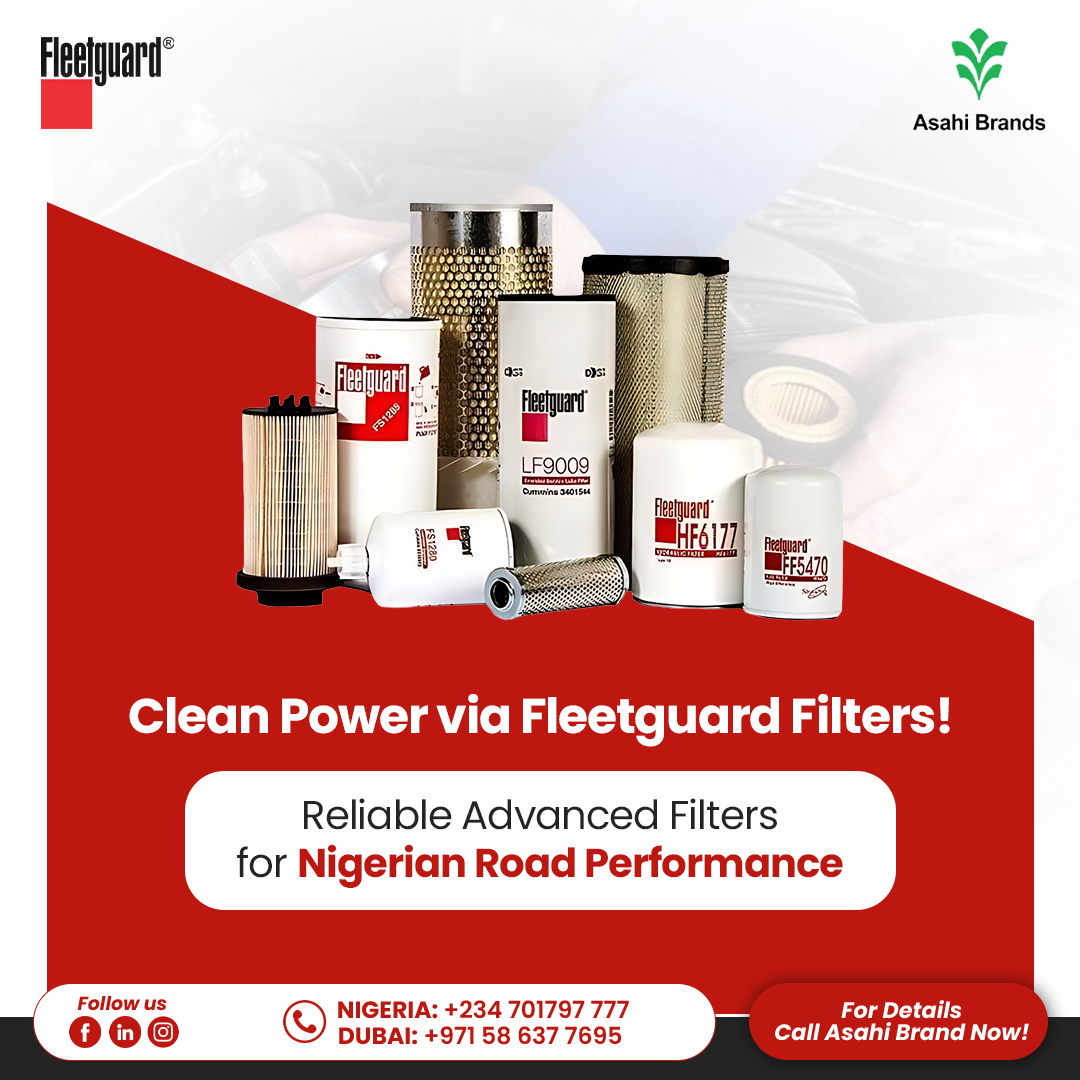
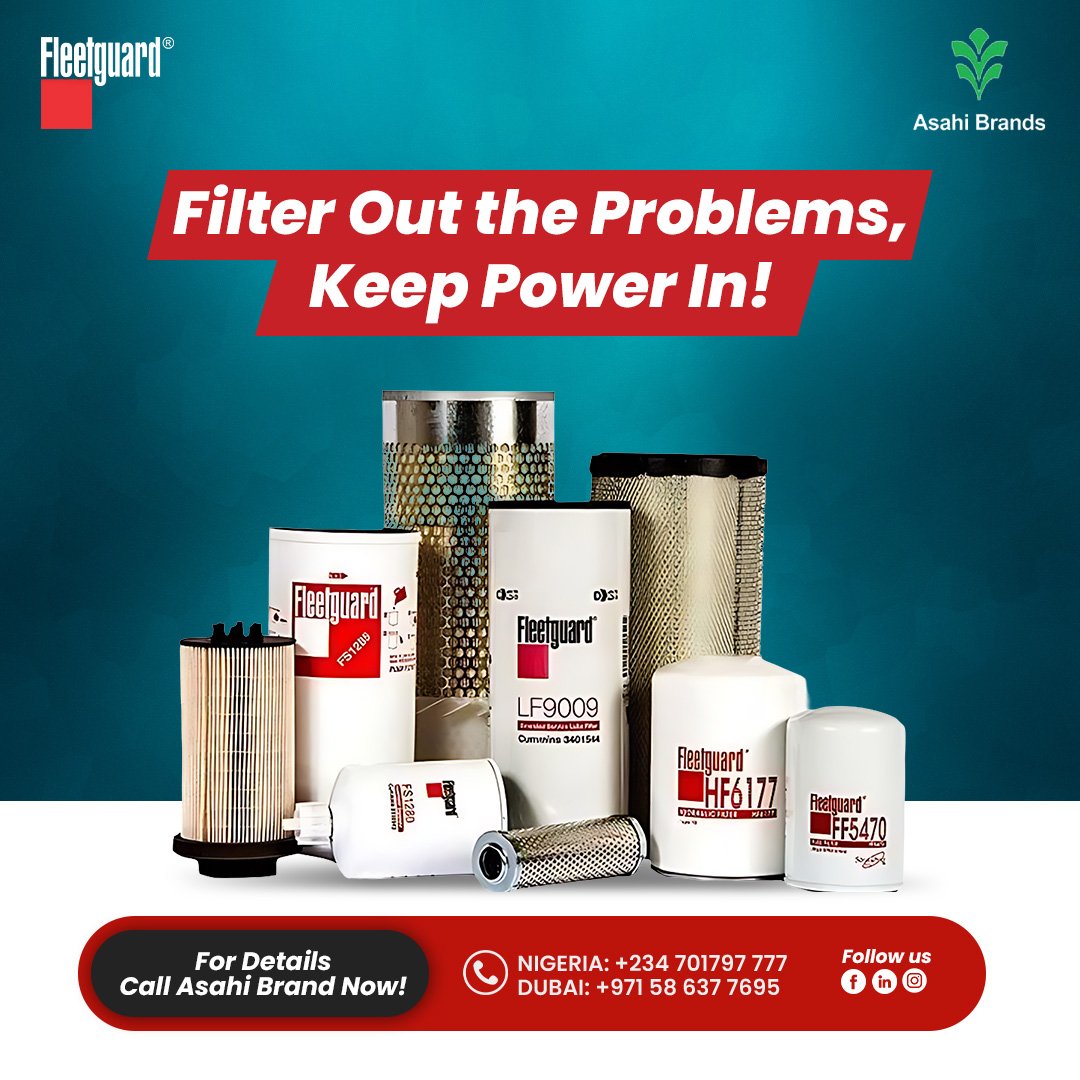
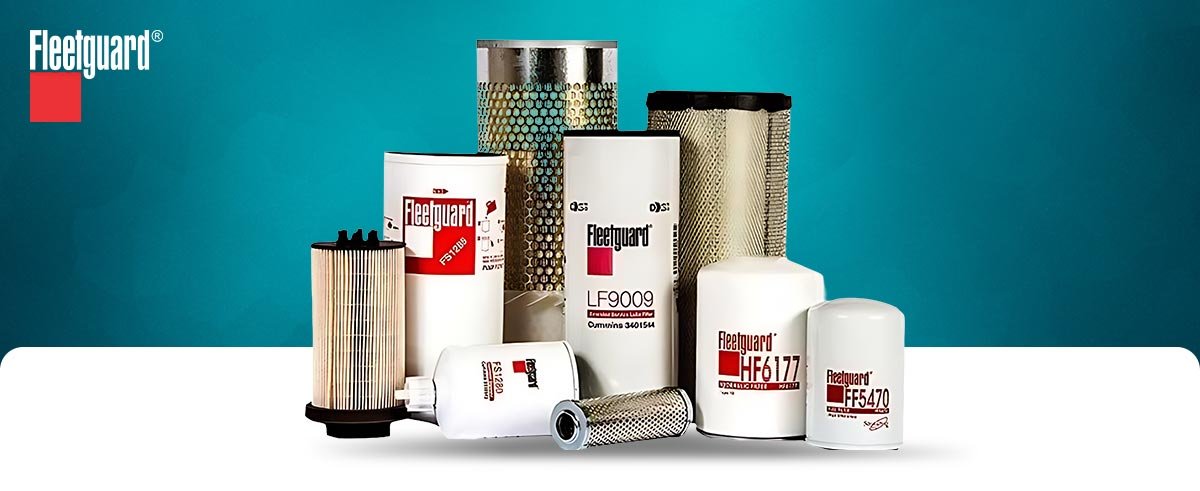
Asahi Brands Limited operates as a trusted importer, distributor, wholesaler, retailer, and supplier of genuine Fleetguard oil, fuel, air, and hydraulic filters, serving customers across Lagos and throughout Nigeria. Headquartered at 122–132, Oshodi Apapa Expressway, Isolo, Lagos, the company supports heavy-duty trucking, construction, mining, agricultural, and generator maintenance needs alongside standard commercial and passenger vehicle requirements.
Reasons to choose Asahi Brands for genuine Fleetguard filtration products include:
- Directly imported genuine stock, sourced from globally recognised manufacturers.
- National distribution, extending genuine filtration access across Nigeria, not only within Lagos.
- Wholesale and retail supply, suitable for individual equipment owners as well as large fleet and industrial operators.
- Dedicated fleet and industrial support, recognising the particular filtration demands faced by heavy-duty and continuous-use equipment.
- Competitive pricing, balanced against genuine quality assurance.
- Reliable inventory availability reduces downtime risk during urgent filtration replacement needs.
- Professional customer support, helping buyers confirm correct filtration specifications for their specific engine or machinery.
- Nationwide delivery, ensuring accessibility across Nigeria regardless of location.
Explore the full range of genuine Fleetguard filtration products at https://www.asahibrands.com.
Frequently Asked Questions
How often should heavy-duty engine filters be replaced? This depends on the specific engine, filter type, and operating conditions, but heavy-duty and continuously operating equipment typically requires more frequent filtration checks than lightly used passenger vehicles, given the higher cumulative operating hours involved.
Can poor fuel filtration really damage an injection system? Yes. Modern diesel injection systems operate at very high pressures with tight tolerances, meaning even small amounts of particulate or water contamination can cause significant, expensive damage over time.
Why does air filtration matter so much for construction and mining equipment specifically? These environments generate substantially higher levels of airborne dust and particulate matter than typical road driving conditions, placing greater demand on air filtration systems to protect internal engine components from abrasive wear.
Is it worth paying more for genuine Fleetguard filters compared to generic alternatives? Given the relatively low cost of filters compared to the systems they protect, genuine filtration is one of the most cost-effective preventive measures available, often preventing repair costs far exceeding any savings from cheaper alternatives.
Filtration rarely receives the attention it deserves, yet it forms the first line of defence protecting some of the most expensive components within heavy-duty engines, generators, and industrial machinery. In Nigerian operating conditions, characterised by variable fuel quality, significant dust exposure, and demanding continuous-use applications, genuine filtration is not a minor maintenance detail; it is a core protective strategy against costly downtime and repairs.
For businesses operating heavy-duty trucks, generators, construction, mining, or agricultural machinery across Lagos and Nigeria, Asahi Brands Limited offers genuine, directly imported Fleetguard filtration products backed by professional guidance and nationwide delivery. Visit https://www.asahibrands.com to secure reliable filtration for your equipment and reduce the risk of unplanned downtime.



Write your review
No reviews yet. Be the first to review!